
Source: Dr. Marketing
Starting Invisalign® treatment can feel surprisingly simple. You receive your aligners, wear them as directed, change to the next set according to your treatment plan, and gradually work toward a straighter smile.
But the aligners themselves are only part of the process.
What happens during the other hours of your day matters too. Taking them out for a coffee and forgetting to put them back in, switching trays early because the next set seems to fit, or wrapping your aligners in a napkin during lunch can seem insignificant in the moment. Repeated over weeks or months, these habits can interfere with the treatment plan.
At
Dental Loft Mississauga, we help Invisalign® patients in
Mississauga, Ontario, Canada understand how to manage their aligners outside our dental office. Here are some of the most common mistakes and, more importantly, how to avoid turning them into habits.
Treating Wear Time Like a Flexible Recommendation
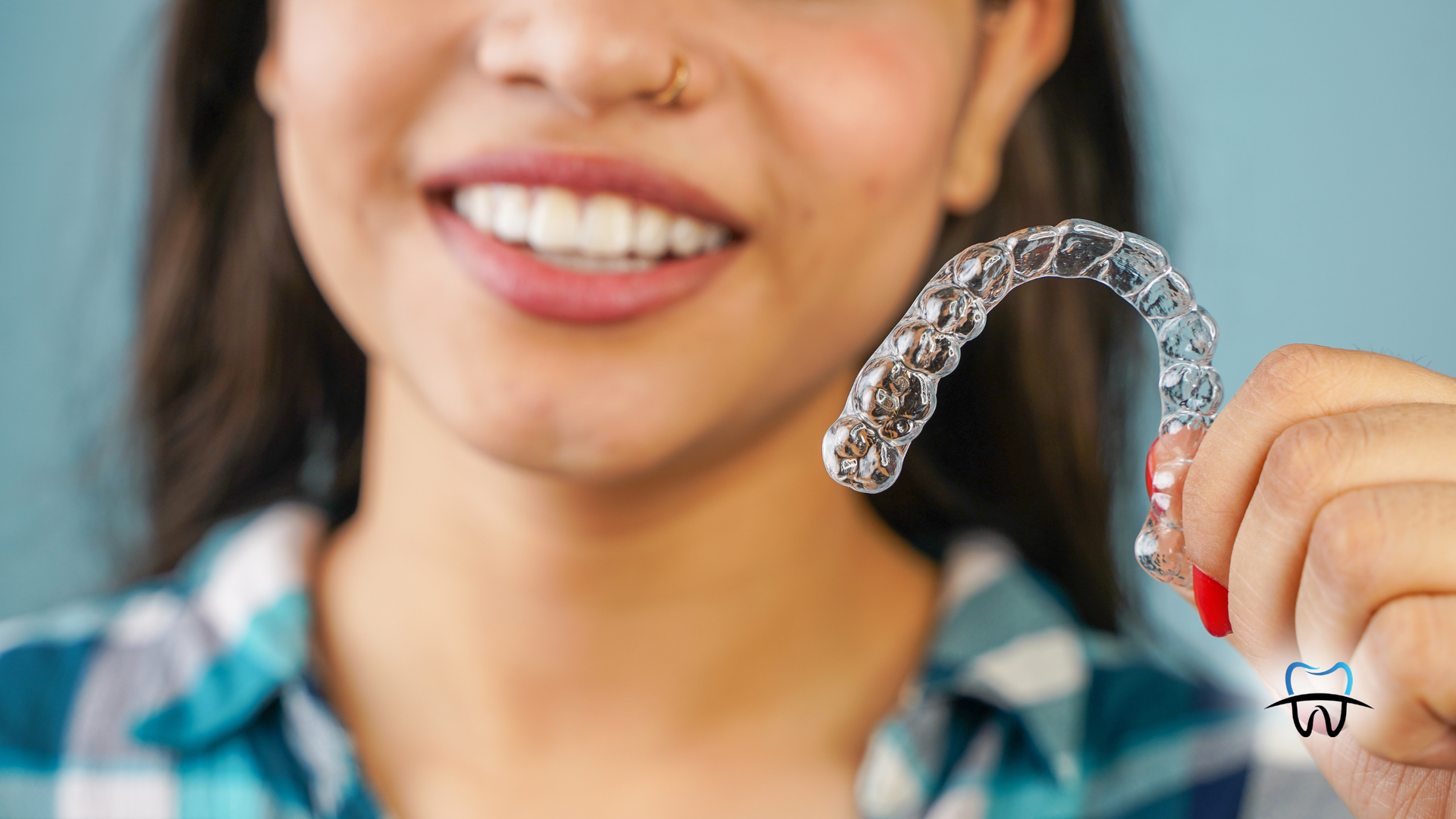
This is probably the easiest mistake to underestimate.
You remove your aligners for breakfast. Then there is coffee. Lunch lasts longer than expected. Dinner turns into an evening out. By bedtime, your aligners have spent much more time outside your mouth than you realized.
Invisalign® aligners are generally intended to be worn for approximately 20 to 22 hours each day, although you should follow the schedule prescribed specifically for you.
Consistent wear matters because each aligner is designed to guide your teeth through a planned stage of movement. Frequently leaving the trays out can interfere with that progression.
Instead of estimating wear time at the end of the day, build your routine around putting the aligners back in as soon as you have finished eating and cleaning your teeth.
Falling Behind on Your Invisalign® Routine?
Small habits can make treatment easier to manage. If your aligners are no longer fitting as expected or you are unsure about your wear schedule, contact Dental Loft Mississauga in Mississauga, Ontario, Canada
before making changes yourself.
Drinking Your Morning Coffee With Aligners In

Removing aligners every time you want something other than water can become inconvenient, which is exactly why this mistake happens.
Coffee, tea, soft drinks, sports drinks, and other beverages may stain the aligners. Hot liquids can also potentially affect the aligner material.
There is another issue that is easier to overlook.
When sugary or acidic drinks get between an aligner and your teeth, the liquid can remain against the tooth surfaces until the trays are removed and your mouth is cleaned. That is not an ideal environment for enamel.
Unless our team has instructed otherwise, remove your aligners for food and beverages other than plain water.
Your coffee break may require a little more planning, but your aligners and teeth will benefit from it.
Putting Aligners Back Over Teeth That Have Not Been Cleaned
Lunch ends, you rinse your aligners, put them back in, and move on with your day.
But what happened to the food left between your teeth?
Aligners fit closely against the tooth surfaces. If food debris and sugars remain underneath them, they can stay trapped there for an extended period.
Ideally, clean your teeth before reinserting your aligners. Flossing is also important because aligners do not remove plaque or food between teeth.
When brushing is genuinely unavailable, rinsing your mouth thoroughly with water may be a temporary measure until you can clean properly, but it should not become the everyday replacement for brushing.
Straightening your teeth should not come at the expense of keeping them healthy.
Cleaning Aligners With Whatever Is Beside the Sink
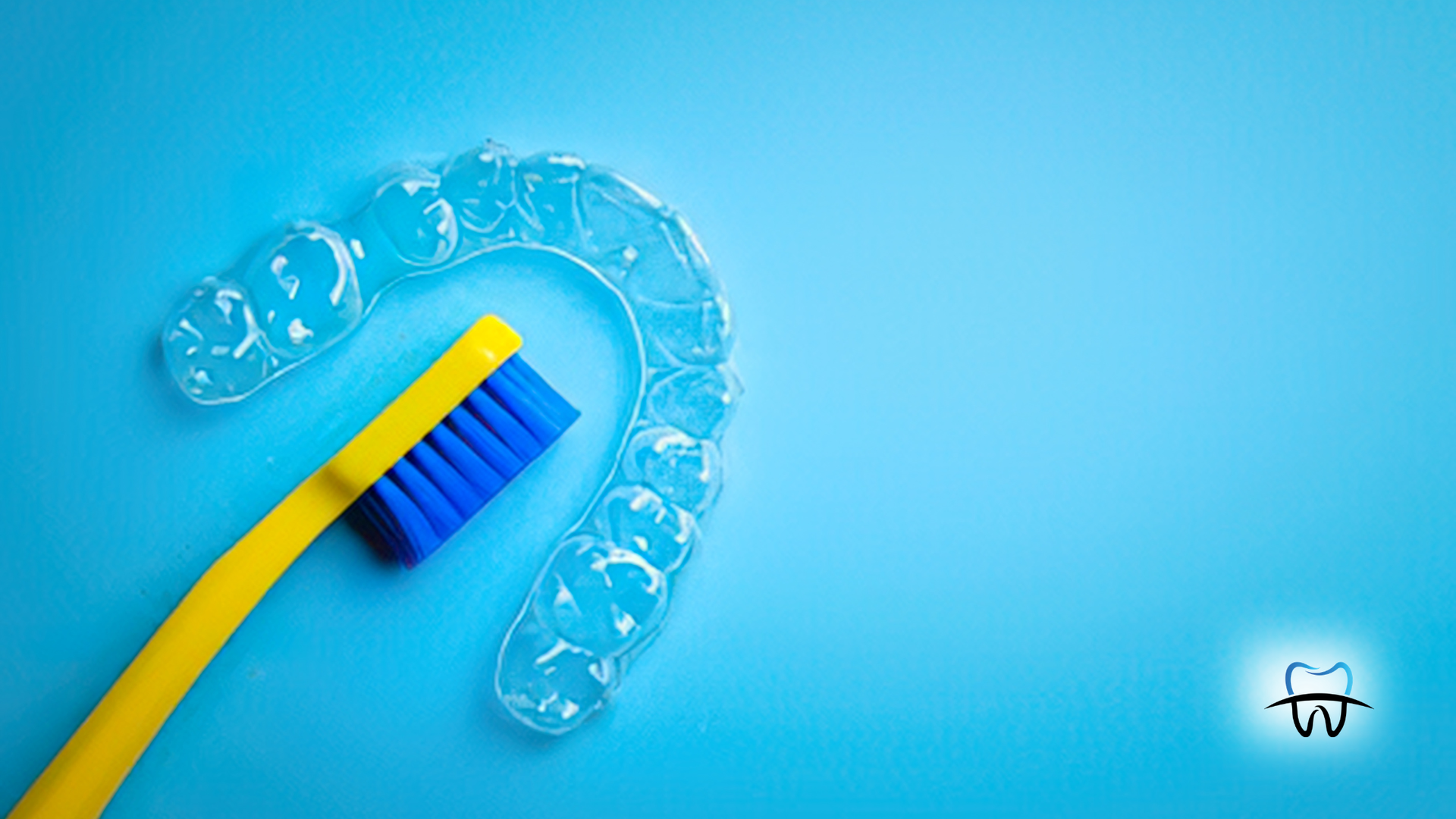
Your aligners look cloudy, so reaching for toothpaste seems logical.
The problem is that some toothpastes can be abrasive and may scratch the aligner surface. Those tiny scratches can make clear trays appear duller and create additional areas where buildup can collect.
Very hot water is another poor shortcut because heat may affect the material.
Follow the cleaning instructions provided by your Invisalign® provider. Typically, aligners should be rinsed and cleaned gently using appropriate products and cool or lukewarm water.
And remember: cleaning your aligners does not replace cleaning your teeth. Both need attention.
The Napkin Mistake
It happens at restaurants constantly.
You take out your aligners, wrap them neatly in a napkin, finish eating, and someone clears the table.
Your aligners disappear with it.
A pocket or handbag is not much safer. Unprotected trays can become damaged, contaminated, or accidentally thrown away.
The simplest habit is one of the most effective: if the aligners are not in your mouth, put them in their case.
Keep the case somewhere easy to reach rather than buried at the bottom of a bag. Some patients find it useful to keep an additional case where they spend a lot of time, such as at work.
Lost or Damaged an Aligner?
Do not automatically jump to the next tray or return to an older one without guidance. Call Dental Loft Mississauga
so we can advise you on the appropriate next step based on where you are in treatment.
Switching to the Next Set Because You Think You Are Ready

Near the end of an aligner stage, the current trays may begin feeling comfortable.
That does not necessarily mean it is time to move ahead.
Each set is intended to be worn according to a planned schedule. Changing aligners too early can mean your teeth have not completed the movement expected during that stage.
On the other hand, continuing to wear a set longer than instructed without discussing it with your provider can also alter the planned timeline.
Follow the change schedule you were given rather than deciding based on how tight or loose the aligners feel.
If a new tray does not fit properly, do not force your way through the problem. Contact our team at
Dental Loft Mississauga.
Assuming Every Gap Between the Aligner and Tooth Is Normal
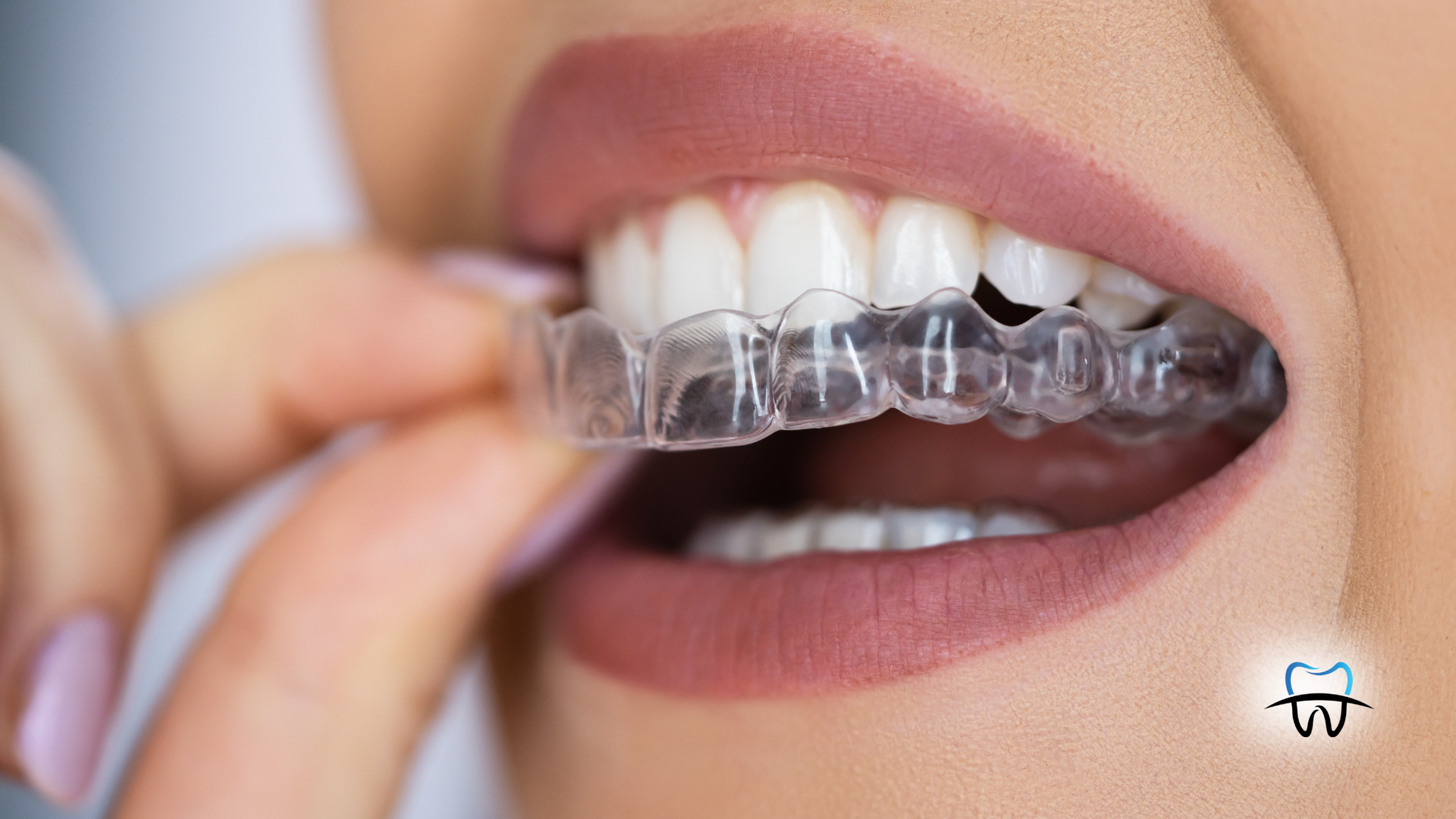
When aligners are tracking properly, they should generally fit closely around the teeth.
If you begin noticing a persistent space between the edge of an aligner and a tooth, or a tray suddenly does not seat the way previous sets did, pay attention.
Sometimes the issue is minor. In other situations, a tooth may not be moving as planned.
Continuing through several more sets hoping the problem corrects itself can make it harder to get treatment back on track.
This is why Invisalign® checkups still matter even when everything seems largely self-managed at home.
Losing Attachments and Waiting Until the Next Appointment
Those small tooth-coloured shapes attached to certain teeth are not decorative.
Invisalign® attachments can help the aligners apply forces needed for particular movements. If one comes off, you may not feel any pain, so it is easy to decide it can wait.
Contact your provider instead.
Not every lost attachment requires an emergency visit, but our team can determine whether it should be replaced sooner or can safely wait until your next scheduled appointment.
The same rule applies to anything unusual during treatment: ask before assuming it does not matter.
Thinking the Last Aligner Means Treatment Is Finished Forever

Finishing your final Invisalign® tray is exciting, but maintaining the result is the next part of treatment.
Teeth have a natural tendency to shift after orthodontic movement. Retainers help maintain their new positions while the surrounding tissues adapt.
Not wearing your retainer according to instructions can allow movement to occur after you have spent months completing treatment.
We will explain when and how long to wear your retainers based on your individual case.
Consider retention part of Invisalign® treatment rather than an optional extra after treatment.
Invisalign® Works Better When the Routine Works

Most Invisalign® mistakes are not dramatic.
They are ordinary moments: an extra-long lunch, coffee with the trays in, a missed night, an aligner left on a restaurant table, or a lost attachment that never gets mentioned.
That is exactly why consistency matters.
Wear your aligners according to your prescribed schedule, remove them appropriately for meals and drinks, keep your teeth and trays clean, store the aligners safely, and communicate when something does not seem right.
If you are considering Invisalign® or have questions about your current treatment,
schedule an appointment with Dental Loft Mississauga in Mississauga, Ontario, Canada. A well-planned treatment works best when the everyday habits supporting it are just as carefully managed.
Related Posts